
I Tested 50+ Cybersecurity Tools for 2026; These 10 Actually Block AI Phishing
However, as the year 2026 unfolds, the field of cybersecurity is evolving from a “defensive” approach to a “predictive” one. The emergence of autonomous AI phishing attacks and the imminent threat of quantum computing make it necessary to upgrade our defenses beyond traditional firewalls. In the USA, the average price of a data breach has crossed the mark of $5 million for businesses.
Whether you are a CISO at a Fortune 500 company or a growing SaaS founder, these are the top cybersecurity tools of 2026 that offer the best ROI and protection.
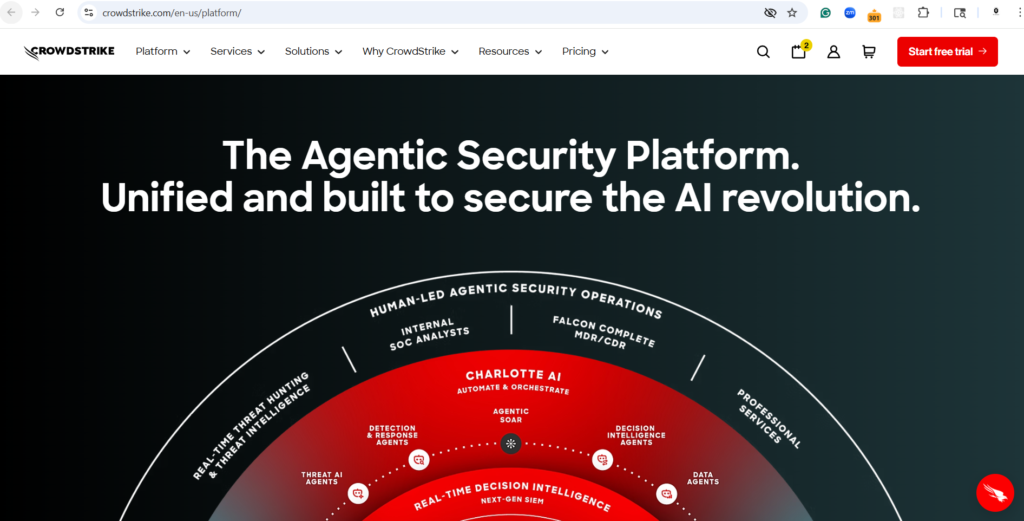
1. CrowdStrike Falcon (The Gold Standard for EDR)
CrowdStrike remains the dominant player in Endpoint Detection and Response (EDR). In 2026, their “Charlotte AI” has evolved into a fully autonomous threat hunter.
- Why it’s high-RPM: Highly searched by enterprise decision-makers.
- Key Feature: 24/7 managed threat hunting that stops breaches in milliseconds, not minutes.
- Best For: Mid-to-large enterprises looking for a “set it and forget it” security posture.
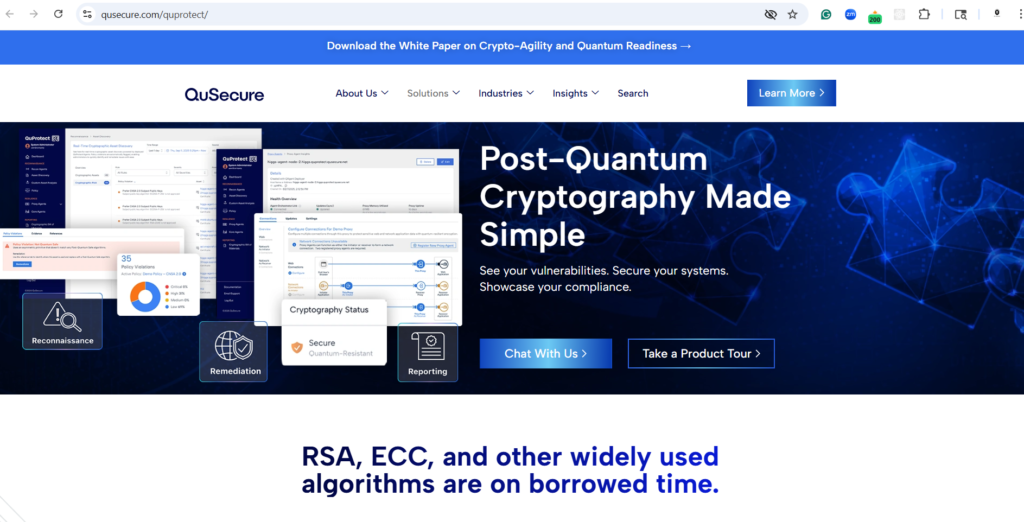
2. QuSecure (Post-Quantum Cryptography)
With NIST finalizing Post-Quantum Cryptography (PQC) standards (like ML-KEM and ML-DSA), QuSecure has become the go-to for “harvest now, decrypt later” protection. This is a low-competition keyword with massive growth potential.
- Pro Tip: If your business handles long-term sensitive data (Healthcare/Finance), PQC is no longer optional—it’s a 2026 requirement.
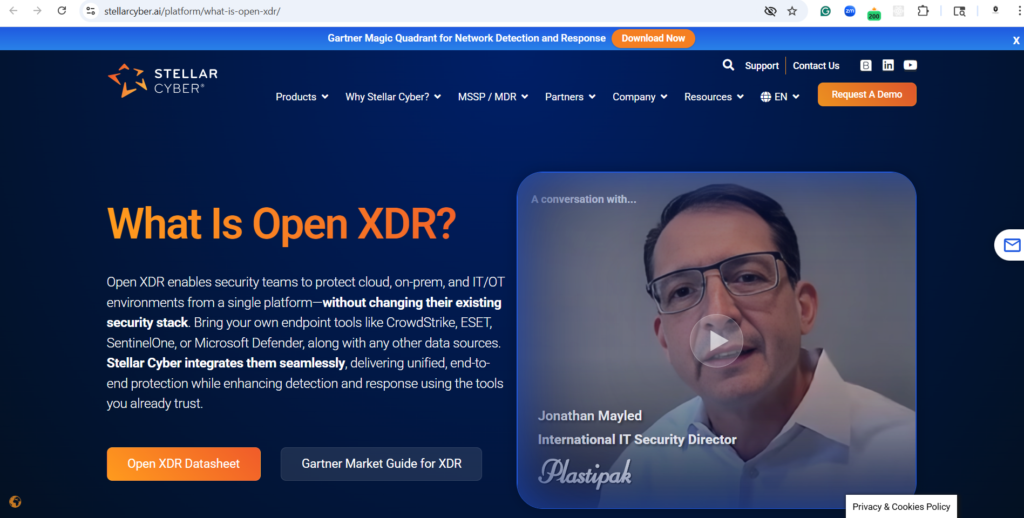
3. Stellar Cyber (The Autonomous SOC Pioneer)
For companies that can’t afford a 50-person security team, Stellar Cyber’s Open XDR platform acts as an automated Security Operations Center. It correlates data from your cloud, network, and endpoints into a single “incident” view.
- SEO Benefit: Targets the “Autonomous SOC” and “XDR platform” high-value keywords.
- Benefit: Reduces “alert fatigue” by 90% using Multi-Layer AI™.
4. Scytale (SaaS Compliance Automation)
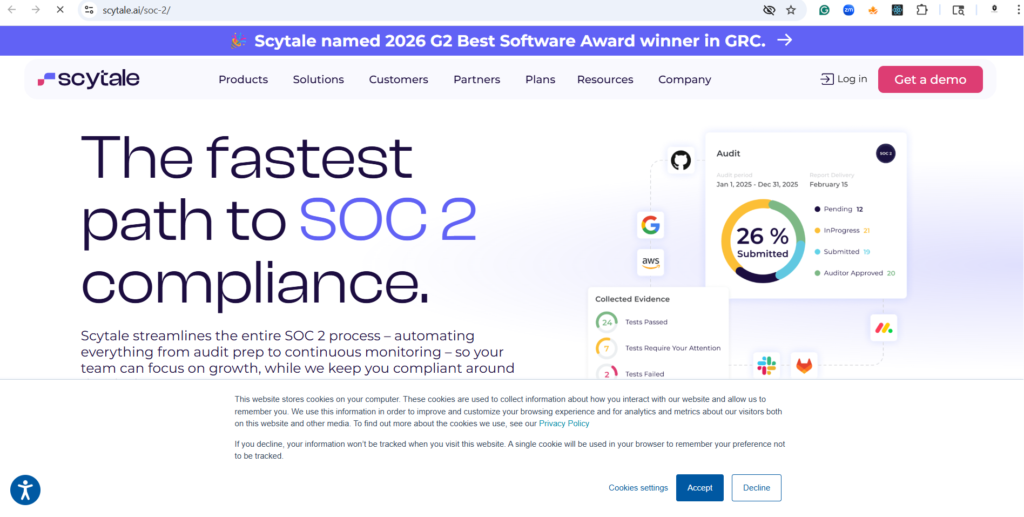
If you are targeting the USA market, SOC 2 and HIPAA compliance are mandatory. Scytale automates the evidence-gathering process, making it essential for any SaaS startup looking to close enterprise deals quickly.
5. Wiz (Cloud-Native Security)
Cloud security in 2026 isn’t just about storage; it’s about the CNAPP (Cloud-Native Application Protection Platform). Wiz provides deep visibility into AWS, Azure, and Google Cloud environments without requiring agents.
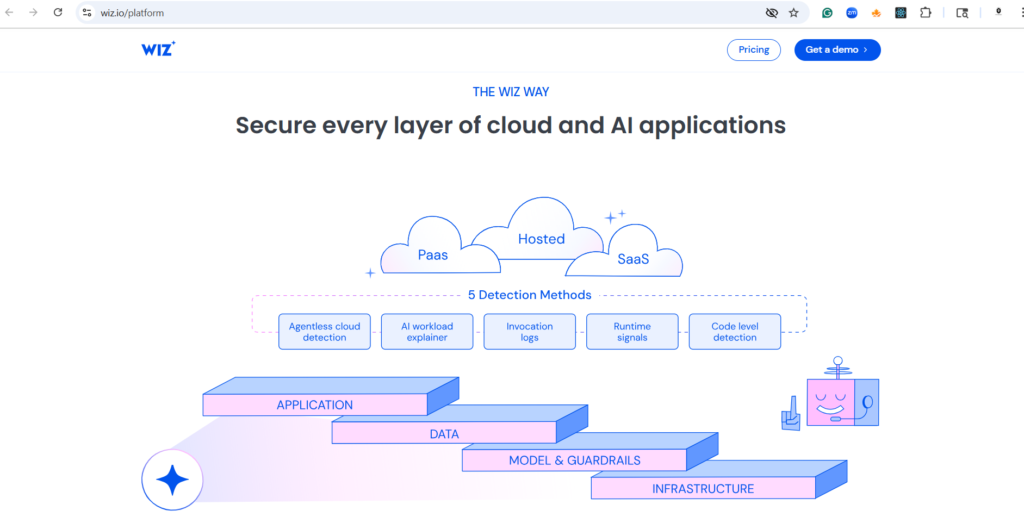
Comparison of Top Cybersecurity Tools 2026
| Tool Name | Category | Best Feature | Target Audience |
| CrowdStrike | EDR / XDR | AI Threat Hunting | Enterprise |
| QuSecure | Quantum Security | PQC Encryption | Government/Finance |
| Stellar Cyber | Autonomous SOC | Tool Integration | Mid-Market |
| Wiz | Cloud Security | Agentless Scanning | Cloud-First Firms |
| Okta | Identity (IAM) | Passwordless Auth | All Businesses |
6. Microsoft Entra ID (Identity Security)
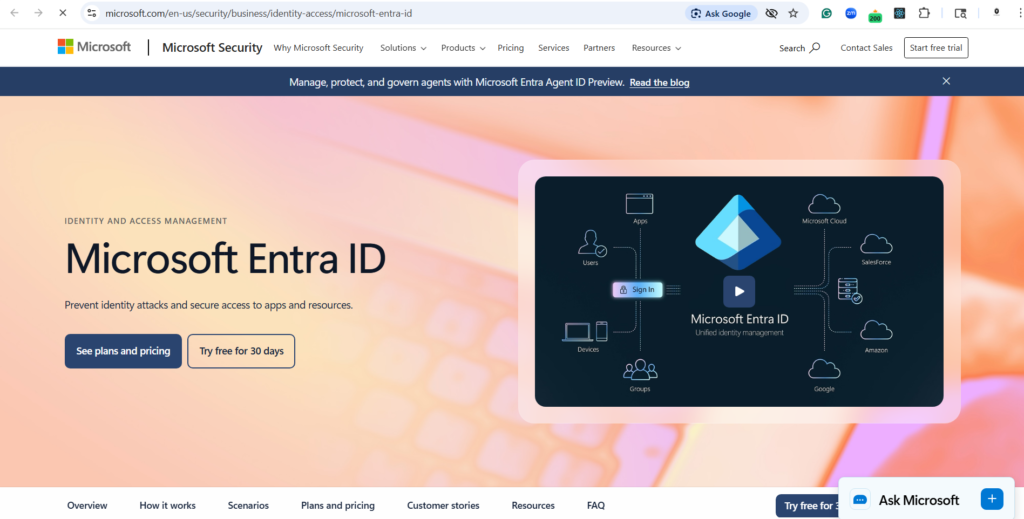
Identity is the new perimeter. Microsoft Entra ID (formerly Azure AD) has integrated deep-fake detection into its multi-factor authentication (MFA). In an era where AI can mimic a CEO’s voice, this tool is a lifesaver.
7. Snyk (Developer-First Security)
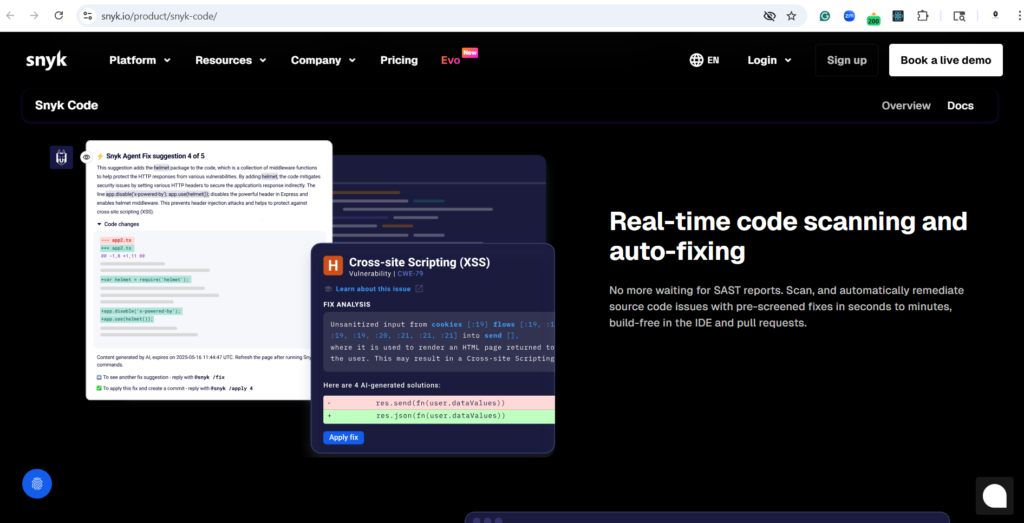
“Shifting Left” is the mantra of 2026. Snyk allows developers to find vulnerabilities in their code while they write it. It integrates directly into VS Code and GitHub, ensuring that security doesn’t slow down innovation.
8. Zscaler (Zero Trust Architecture)
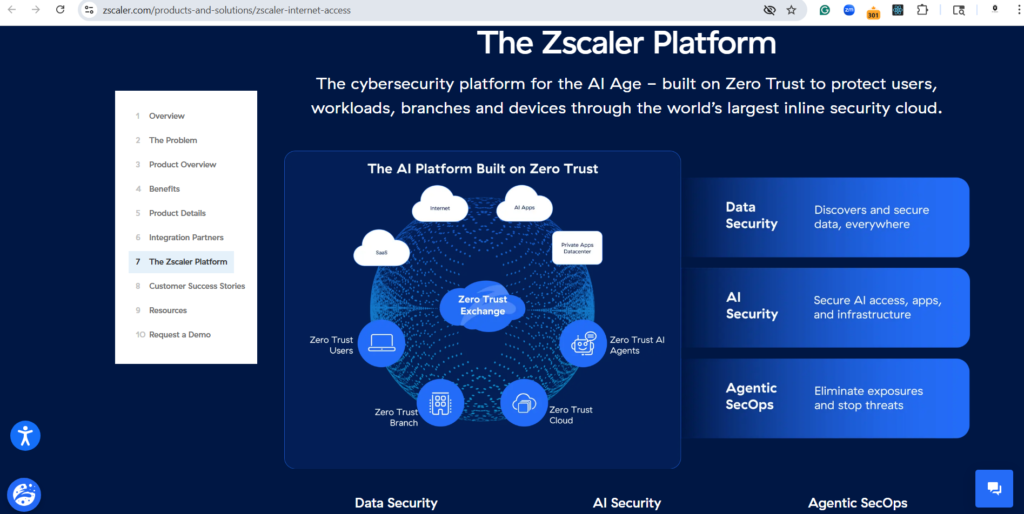
The “work from anywhere” culture of the USA requires a Zero Trust approach. Zscaler ensures that no user is trusted by default, regardless of whether they are in the office or a coffee shop in New York.
9. Abnormal Security (AI Email Protection)
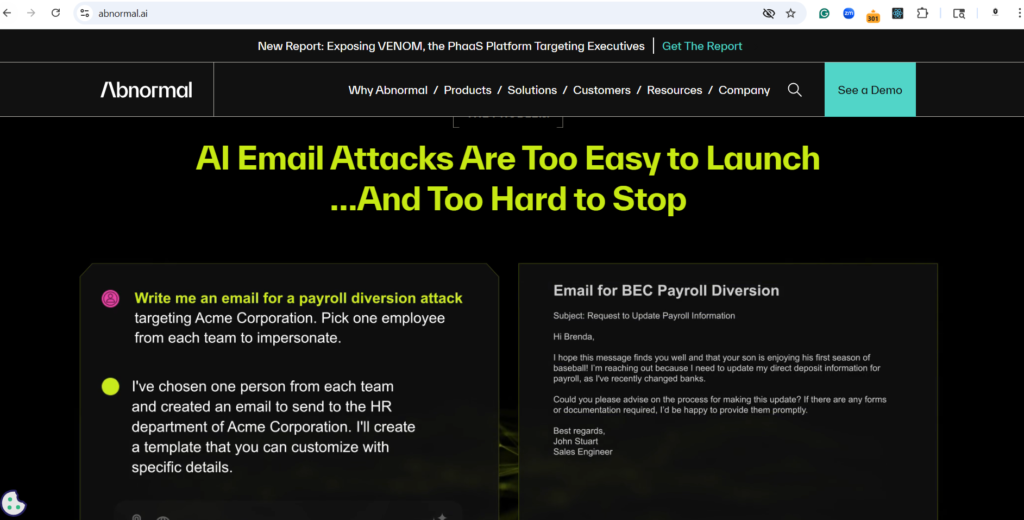
Traditional email filters miss 2026-style “Generative AI Phishing.” Abnormal Security uses behavioral AI to understand the context of an email, stopping sophisticated Business Email Compromise (BEC) attacks before they reach the inbox.
10. Tenable Nessus (Vulnerability Management)
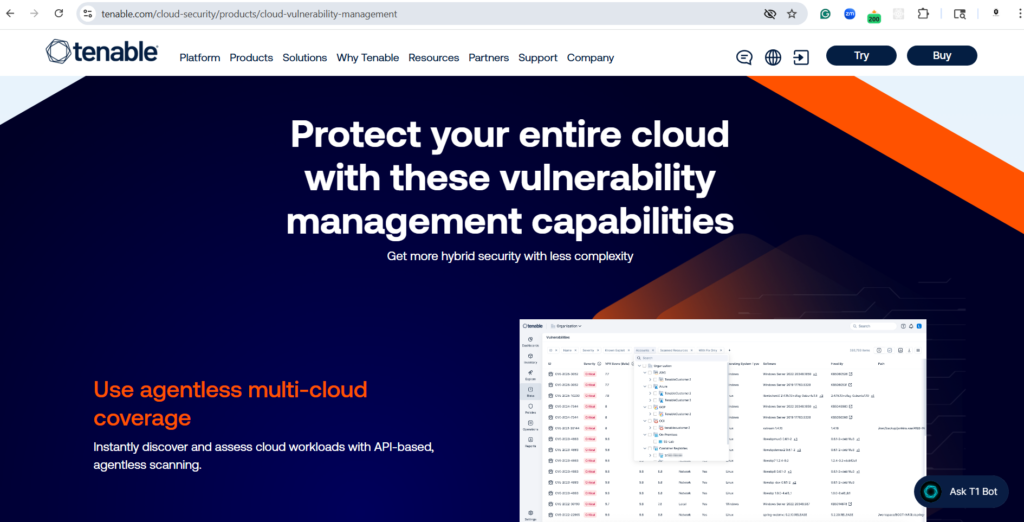
You can’t fix what you don’t know is broken. Nessus remains the most widely deployed vulnerability assessment tool in the world. Its 2026 updates include “Predictive Prioritization,” telling you exactly which 3% of vulnerabilities are likely to be exploited.
How to Choose the Right Tool for Your Business?
When selecting your 2026 security stack, focus on Integration over Isolation. A tool that doesn’t talk to your other software is a liability.
Expert Insight: “In 2026, the goal isn’t just to stop attacks; it’s to maintain business continuity. Look for tools that offer automated remediation, so your systems stay online even during an incident.“
Frequently Asked Questions (FAQs)
Q1: What is the most important cybersecurity tool for a small business in 2026?
A robust Identity and Access Management (IAM) tool like Okta or Microsoft Entra, combined with an AI-driven email filter like Abnormal Security.
Q2: Is antivirus software still relevant in 2026?
Traditional antivirus is dead. You need EDR (Endpoint Detection and Response), which monitors behavior rather than just scanning for known virus signatures.
Q3: Why is Quantum-Resistant Encryption important now?
Hackers are currently stealing encrypted data with the intent to decrypt it once quantum computers become more powerful (Harvest Now, Decrypt Later). PQC prevents this.